
Year-End Reflection: 50 Journal Prompts to Look Back on 2026 and Plan 2027

The last weeks of the year go fast. Between work, gifts and family plans, it is easy to roll into January without stopping to ask what this year actually taught you. A short year-end reflection fixes that. You do not need a retreat or a fancy notebook, just an hour or two, a pen and good questions.
Below you will find 50 journal prompts split into five parts: looking back, wins and gratitude, lessons, letting go, and planning the year ahead. Use all of them over a few evenings in December, or pick the ten that speak to you and answer them in one sitting.

How to Do a Year-End Reflection (Without Overthinking It)
A reflection works best when it feels calm, not like homework. A few simple rules help:
- Gather your clues first. Scroll through your calendar, your photos and your notes app before you write. You will remember far more than you expect.
- Write by hand if you can. It slows you down, and slower answers tend to be more honest.
- Set a timer. Give each prompt five to ten minutes. When the timer goes off, move on.
- Be specific. "Work was stressful" tells you little. "The March project took over my evenings for six weeks" tells you what to change.
- Keep it kind. The goal is to understand your year, not to grade yourself.
Many people split the work into two sessions: one to look back, one to plan. That way the planning does not feel rushed, and you start the new year with ideas that had a few days to settle.
Part 1: Looking Back on Your Year
Start with the facts. These prompts help you see the shape of the year before you judge any of it.

- If this year were a book, what would the title be?
- What were the three biggest events of my year, good or bad?
- Which month felt the best, and why?
- Which month was the hardest, and what got me through it?
- Where did most of my time go? Does that match what matters to me?
- Who did I spend the most time with this year?
- What new places, people or ideas came into my life?
- What did I start this year that I did not expect to start?
- What did I keep putting off all year?
- Describe a normal Tuesday this year. What would I like to keep, and what would I like to change?
Part 2: Wins and Gratitude
Most of us forget our own progress very quickly. Writing it down gives you proof that the year counted, even if it did not go to plan.
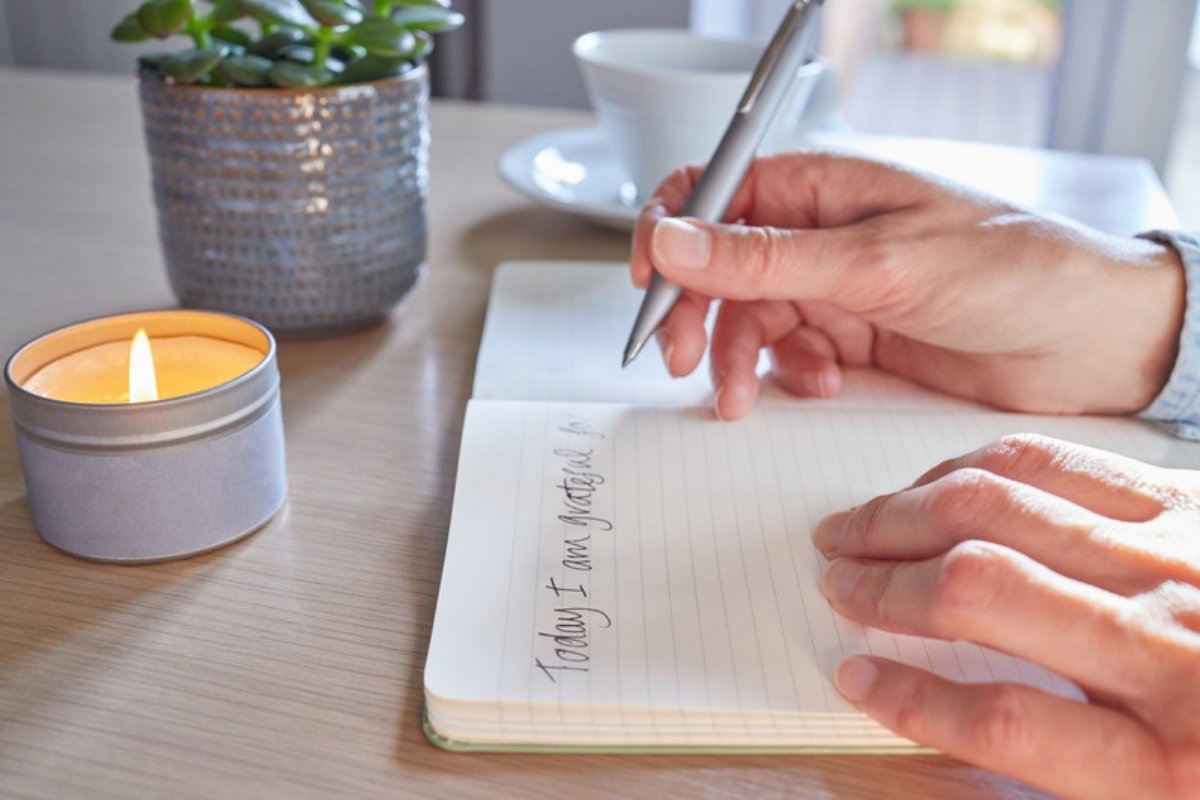
- What are ten things I did this year that I am proud of, big or small?
- What is one skill I improved?
- Which habit stuck, even for a few months?
- Who helped me this year, and have I thanked them?
- What was the kindest thing someone did for me?
- What was the kindest thing I did for someone else?
- What small, everyday thing made my life better this year?
- Which moment would I like to live again?
- What did my body allow me to do this year that I am grateful for?
- What am I most thankful for right now, tonight?
Part 3: Lessons and Growth
This part is where the year turns into something useful. Look for patterns, not one-off events.
- What is the most important thing I learned about myself this year?
- What mistake taught me the most?
- When did I feel most like myself?
- When did I say yes but wanted to say no?
- What drained my energy again and again?
- What gave me energy, even on busy days?
- Which belief about myself changed this year?
- What advice would I give to myself from last January?
- Which book, conversation or idea shifted the way I think?
- What did I learn about how I handle stress?
Part 4: Letting Go Before the New Year
A new year feels lighter when you decide what you will not carry into it. These prompts are about closing open loops.
- What am I still holding on to from this year that I can let go?
- Which unfinished task can I finish, delegate or simply drop?
- Is there a conversation I need to have before the year ends?
- What expectation of myself was unfair?
- Which commitment do I want to step back from next year?
- What do I need to forgive myself for?
- Which thing or space in my home could I clear out to make room for the new year?
- What story about this year do I want to stop repeating?
- What would I write in a short goodbye letter to this year?
- In one sentence, how do I want to remember this year?
Part 5: Planning the Year Ahead
Now that you know what worked and what did not, planning gets much easier. Keep it simple: a word for the year, a few goals and the first small steps.
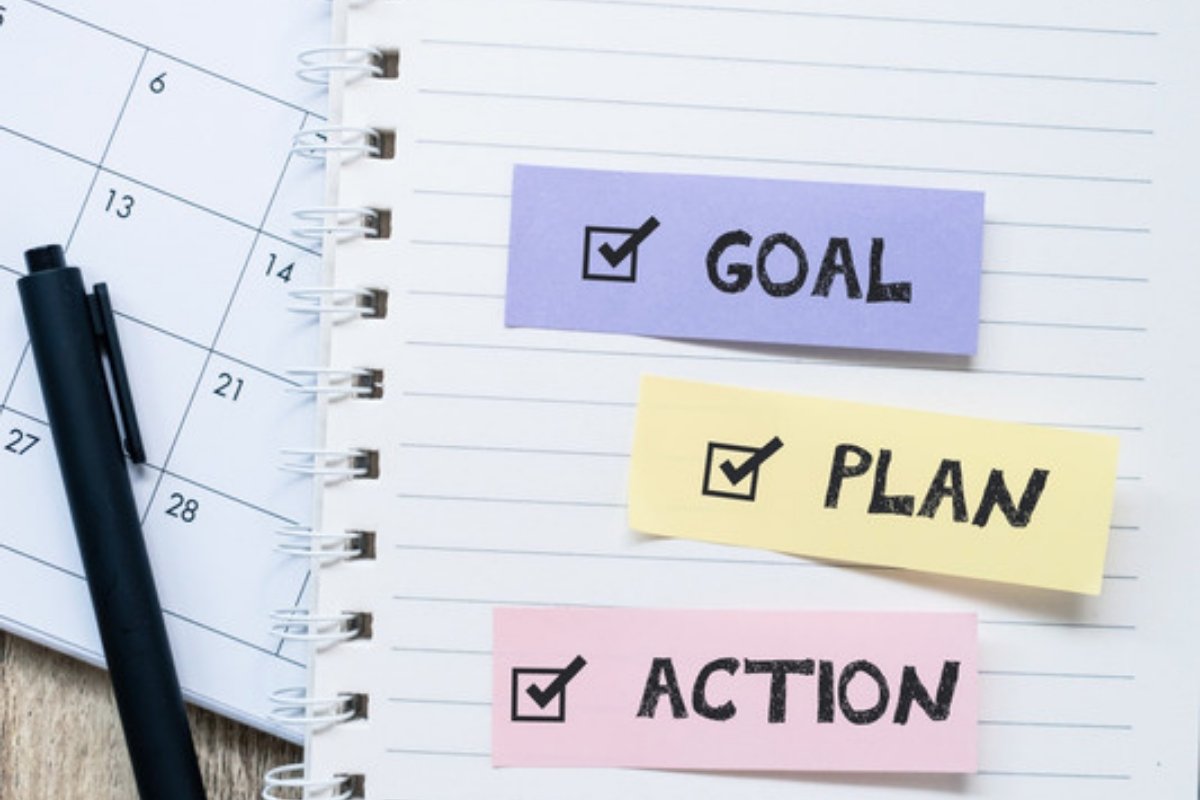
- What word or theme do I want to guide my next year?
- How do I want to feel on an ordinary day next year?
- What are the three goals that matter most to me? Why each one?
- What is one habit that would make those goals easier?
- What will I stop doing to make time for what matters?
- Which relationship do I want to invest more in?
- What would a great January look like?
- What is the very first small step I can take in the first week?
- How will I check in with my goals during the year (monthly, every quarter)?
- If next December I look back on a good year, what will have happened?
If you like having everything in one place, our 2027 Goal Planner & Year Review Workbook walks you through a year review and turns your answers into goals, monthly plans and check-ins. You can print it at home in Letter or A4.
A Simple Way to Turn Your Answers Into a Plan
Answers in a notebook do not change much on their own. This short table helps you move from reflection to action:
| What you found | Question to ask | Example action |
|---|---|---|
| Something that gave you energy | How can I do more of this? | Book a weekly walk with a friend |
| Something that drained you | Can I drop it, limit it or change it? | No work email after 7 pm |
| A habit that stuck | What made it work? | Keep the same time and place for it |
| A goal you missed | Is it still important to me? | Keep it with a smaller first step, or let it go |
| A new goal | What is the first step this week? | Write it in your calendar for Monday |
To keep your new habits visible every day, a simple tracker helps. The Habit Tracker Printable Pack has 30 undated pages, so you can start whenever you are ready. Or get both printables together in the 2027 Fresh Start Bundle.
Make It a Cozy Year-End Ritual
Reflection is easier when it feels like a treat. Pick a quiet evening, make a cup of tea, light a candle and put your phone in another room. Some people like to do their review on the same day every year, like the last Sunday of December, so it becomes a small tradition.
You can also do it with a partner or a friend. Answer the same five prompts on your own, then share the answers you feel comfortable sharing. It is a nice way to end the year together and to learn what the other person hopes for next year.
If some prompts bring up heavy feelings, that is normal. Skip them, come back later, or leave them out. A journal is not a replacement for professional support, so if you are going through a really hard time, it is a good idea to talk to a doctor or a mental health professional.
Frequently Asked Questions
When is the best time to do a year-end reflection?
Any time in the last two or three weeks of December works well, while the year is still fresh. If December is too busy, the first week of January is just as good.
How long should a year-end reflection take?
Plan one to three hours in total. You can split it into short sessions of 20 to 30 minutes over several evenings.
Do I need to answer all 50 prompts?
No. Pick the prompts that feel useful. Even five honest answers can give you a clear picture of your year and a good starting point for the next one.
You Might Also Like
- The Power of Journaling: A Guide to Unlocking Your Potential
- Tips to Boost Your Personal Development in the New Year
- The 2% Improvement Rule: Tiny Gains, Big Wins
Take your time with these questions. The year you just lived has a lot to teach you, and a quiet evening with a notebook is a lovely way to close it.


You may also like