
The Most Common Mistakes in Meditation + How to Avoid Them

Today we want to share with you a special post:
Sidestepping the Top Meditation Errors
Starting a meditation practice is a bit like setting sail on a wide, calm ocean of inner exploration.
However, as with any profound voyage, there are common storms and uncharted waters that can challenge even the most seasoned meditators.
In this article, we'll sail through the calm but sometimes unpredictable waters of mindfulness and point out the common mistakes that can throw off your meditation practice.
Join us as we show you how to avoid these pitfalls, steering you toward a calmer, more fulfilling meditation experience.
Impatience and Expectations
One of the fundamental mistakes many meditators make is expecting instant results.
Meditation is a gradual process, and impatience can slow you down. Instead of focusing on results, try to enjoy the process itself.
Understand that consistent practice over time yields the most significant benefits.

Overthinking and Analysis
Meditation is about letting go of constant mental chatter, but it's easy to fall into the trap of overthinking the process itself.
Avoid analyzing every sensation or thought that arises during meditation. Instead, acknowledge them without judgment and gently redirect your focus to your chosen point of concentration, be it your breath or a mantra.
Physical Discomfort
Finding a comfortable seated position is crucial for an effective meditation session.
Physical discomfort can distract from the practice, so experiment with different postures and cushions to discover what works best for you.
Ensure proper alignment to prevent stiffness and pain, allowing your body to support your meditation rather than detract from it.
Inconsistent Practice
Consistency is key in meditation.
Skipping sessions or practicing irregularly can disrupt the development of a habit and hinder progress.
Set realistic goals and create a routine that fits into your daily life. Even short, regular sessions can have a more significant impact than sporadic, longer ones.
Attachment to Outcomes
Meditation is not about achieving a particular state of mind; it's about being present with whatever arises.
Avoid becoming attached to specific experiences or sensations.
Embrace the ebb and flow of your thoughts and emotions without judgment, recognizing that each session is unique.
Forcing the Breath
A prevalent mistake during meditation is attempting to control or force the breath.
The breath is a natural anchor for mindfulness, but manipulating it can lead to tension and frustration. Instead, allow the breath to flow naturally.
Observe it without attempting to regulate or change its pace. This approach promotes relaxation and a more genuine connection with the present moment.

Tips for Successful Meditation:
Start Small
Begin with short meditation sessions, gradually increasing the duration as your practice develops.
This approach helps in building a sustainable habit.
Guided Meditations
Utilize guided meditations, especially if you're a beginner. They can provide structure and guidance, helping you stay focused and relaxed.
Focus on Natural Breathing
Rather than trying to control your breath, simply observe its natural rhythm.
Pay attention to the inhalation and exhalation without any interference.
Trust that your body knows how to breathe, and by observing it without force, you'll experience a more harmonious and calming meditation session.
Mindfulness in Daily Activities
Extend mindfulness beyond formal meditation sessions. Incorporate mindfulness into daily activities like walking, eating, or even washing dishes.
Seek Guidance
Consider joining a meditation group or seeking guidance from experienced practitioners.
Learning from others can provide valuable insights and support.
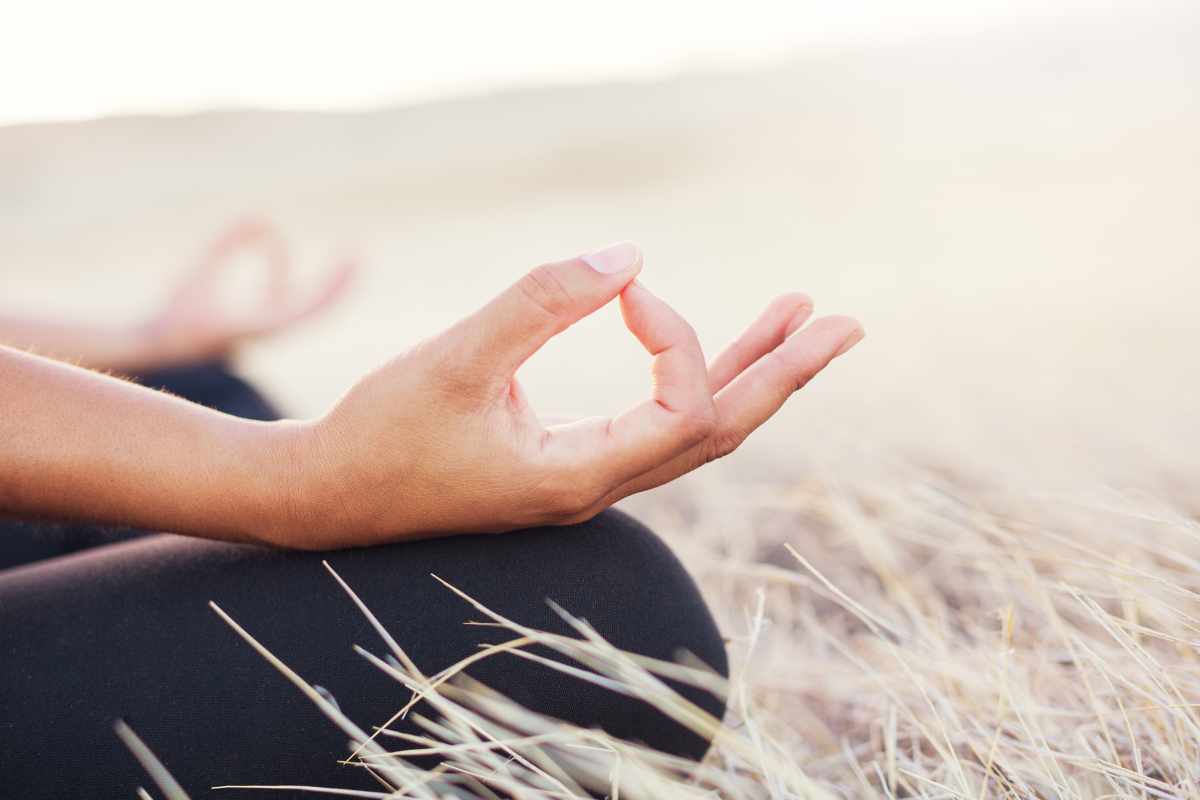
Every person's meditation practice is personal, and it can change you in big ways.
By understanding common pitfalls and implementing practical tips, you can enhance the effectiveness of your practice and cultivate a deeper sense of mindfulness and peace in your daily life.
Did you find this post useful or inspiring? Save THIS PIN to your Mind Board on Pinterest! 😊


You may also like